
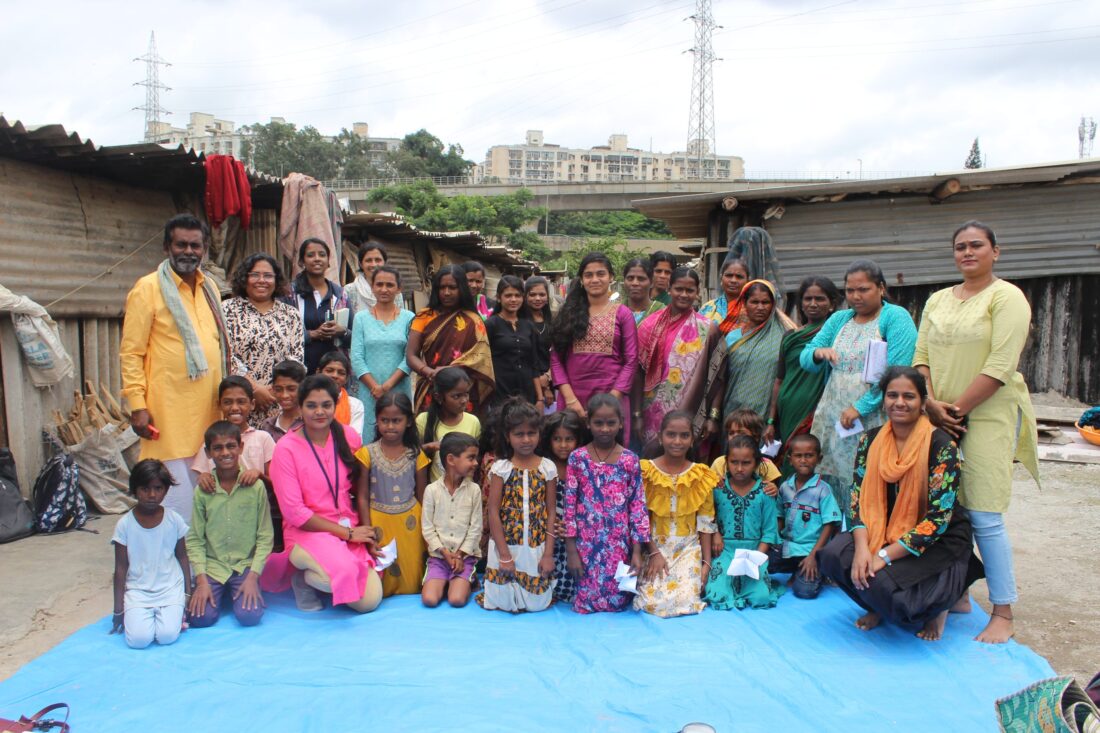
Climate Charche Focus Group Discussions NO STATUS
We recognise that certain sections of the city’s population are not considered or reflected in most of the city’s climate conversations and plans, despite bearing a disproportionate impact of climate-related adversities. Areas that are home to the urban poor are often the most densely populated, with poor sewage and sanitation; in addition to the dwellings made of materials that are not weather resistant. In the face of a climate hazard, such conditions coupled with existing physical, social, economic and other inequalities that these groups face increase their exposure and risk; further reducing their ability to cope and recover.
Solutions and plans that are developed to address climate challenges invariably adopt a top-down, ‘expert’ led approach. Instead, what we need is to ensure a bottom-up component that makes the plans more relevant to the lived realities of these vulnerable groups. It is also critical to assess and review how the proposed solutions actually pan out on-the-ground.
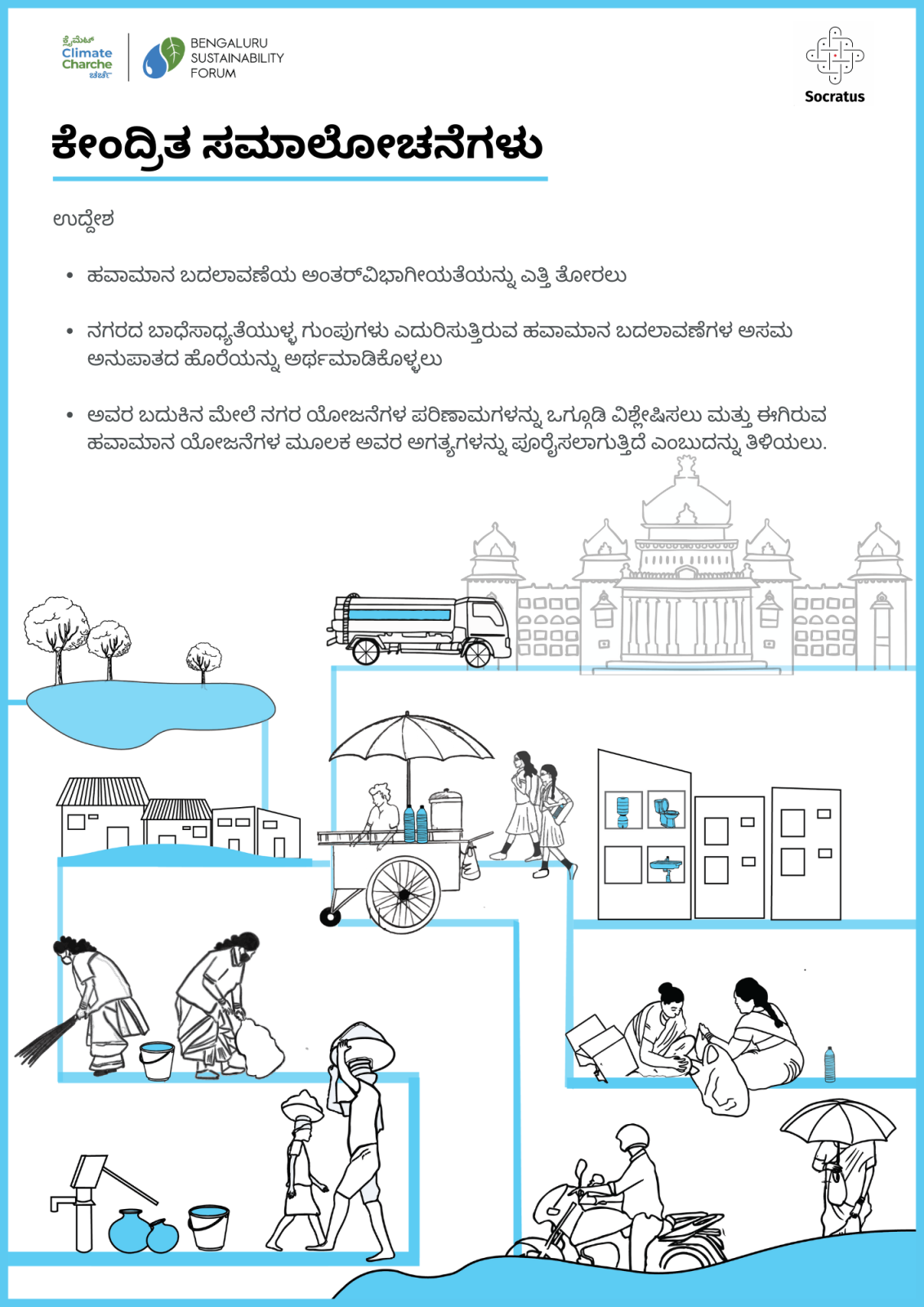
The purpose of these discussions is to
- Highlight the intersectionality of climate change
- Understand the disproportionate burden of climate challenges faced by the city’s vulnerable groups
- Collectively analyse implications of city plans on their lives and see how their needs are being addressed through the current city climate plans
FGD Groups
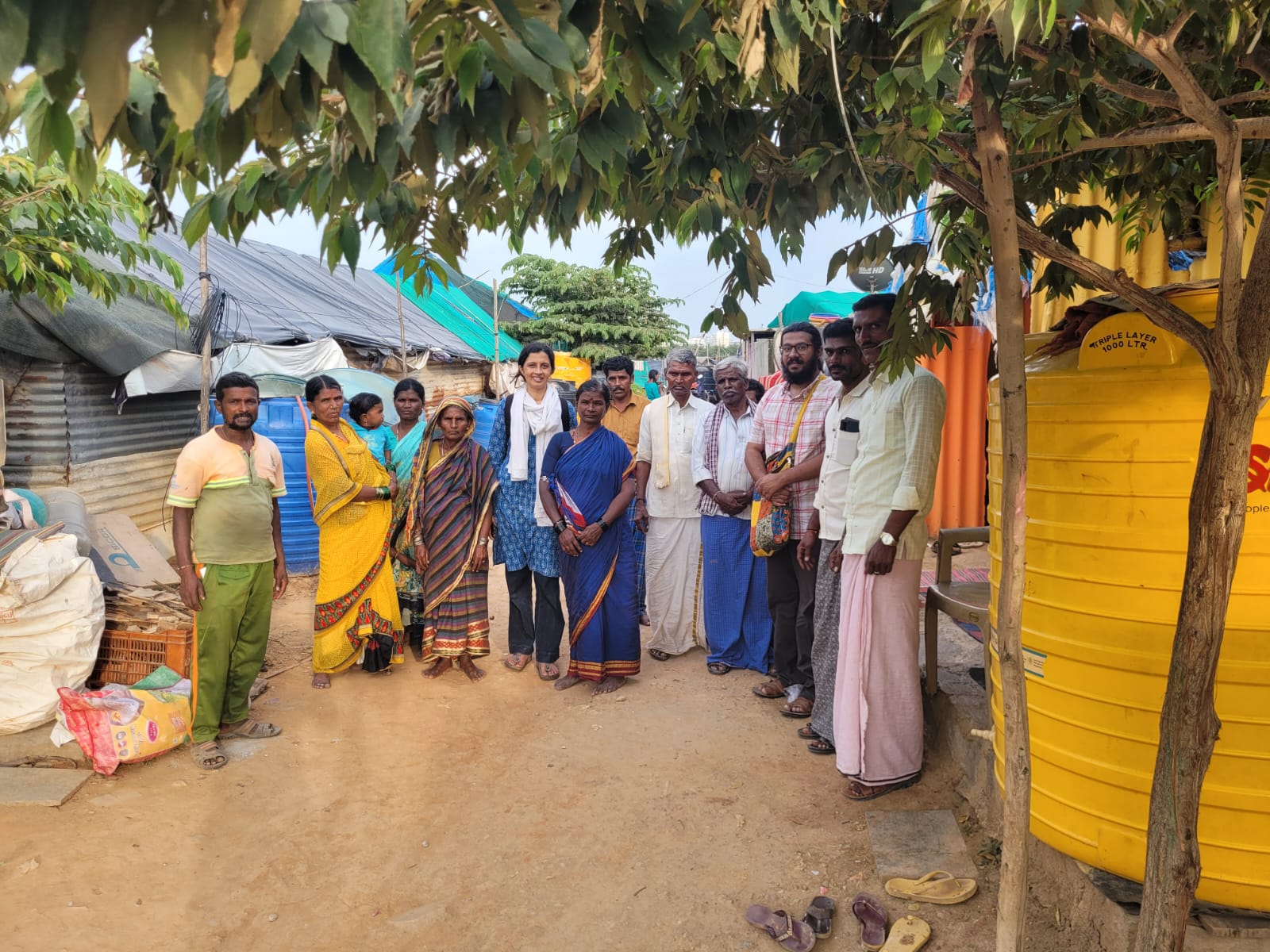
Pourakarmikas
Key challenges
Absence of basic amenities of water and sanitation, urban flooding.
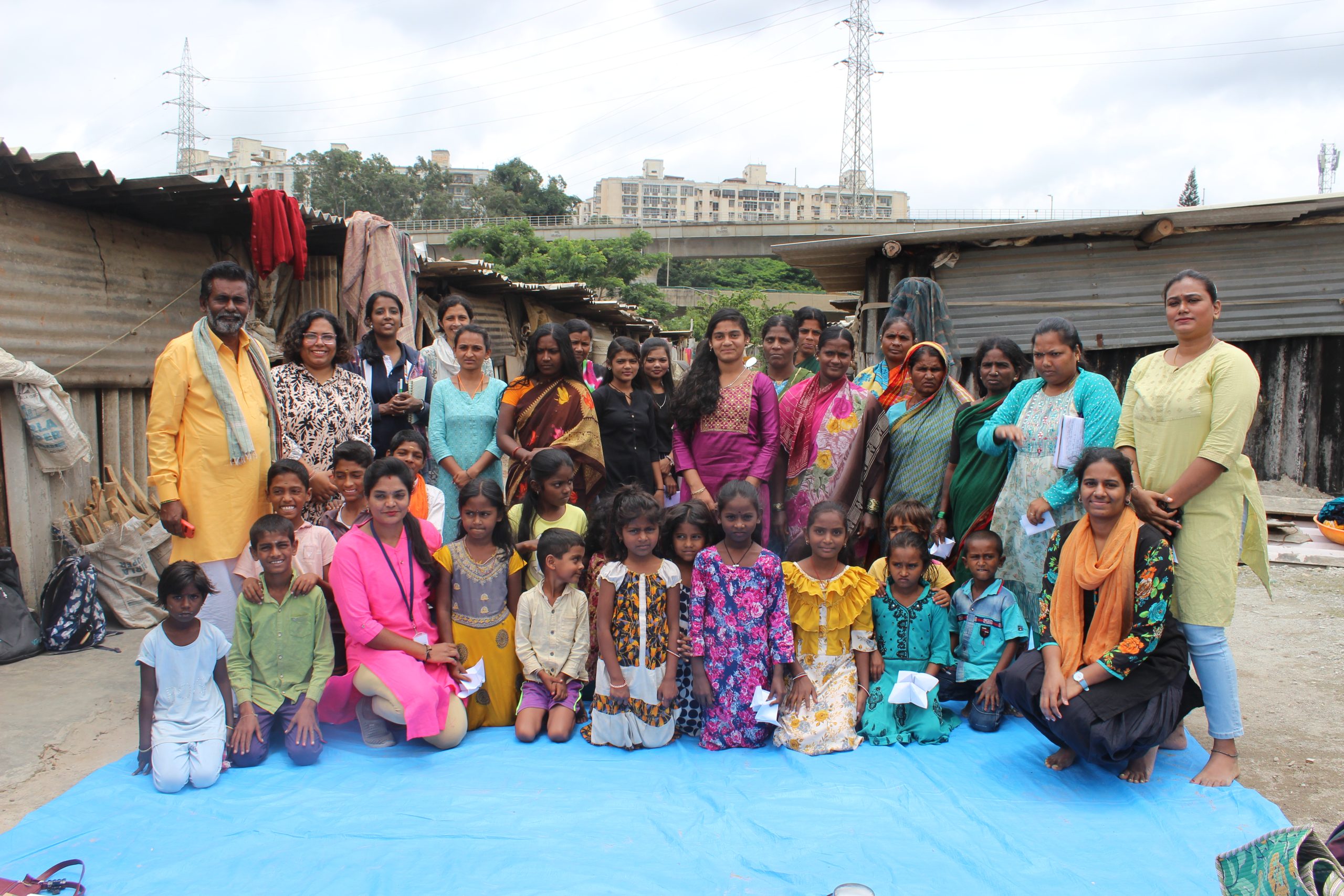
Migrant Workers
Key challenges
Unrecognised in the cityscape, lack of social protection, impact of extreme weather on livelihoods, absence of basic living conditions.
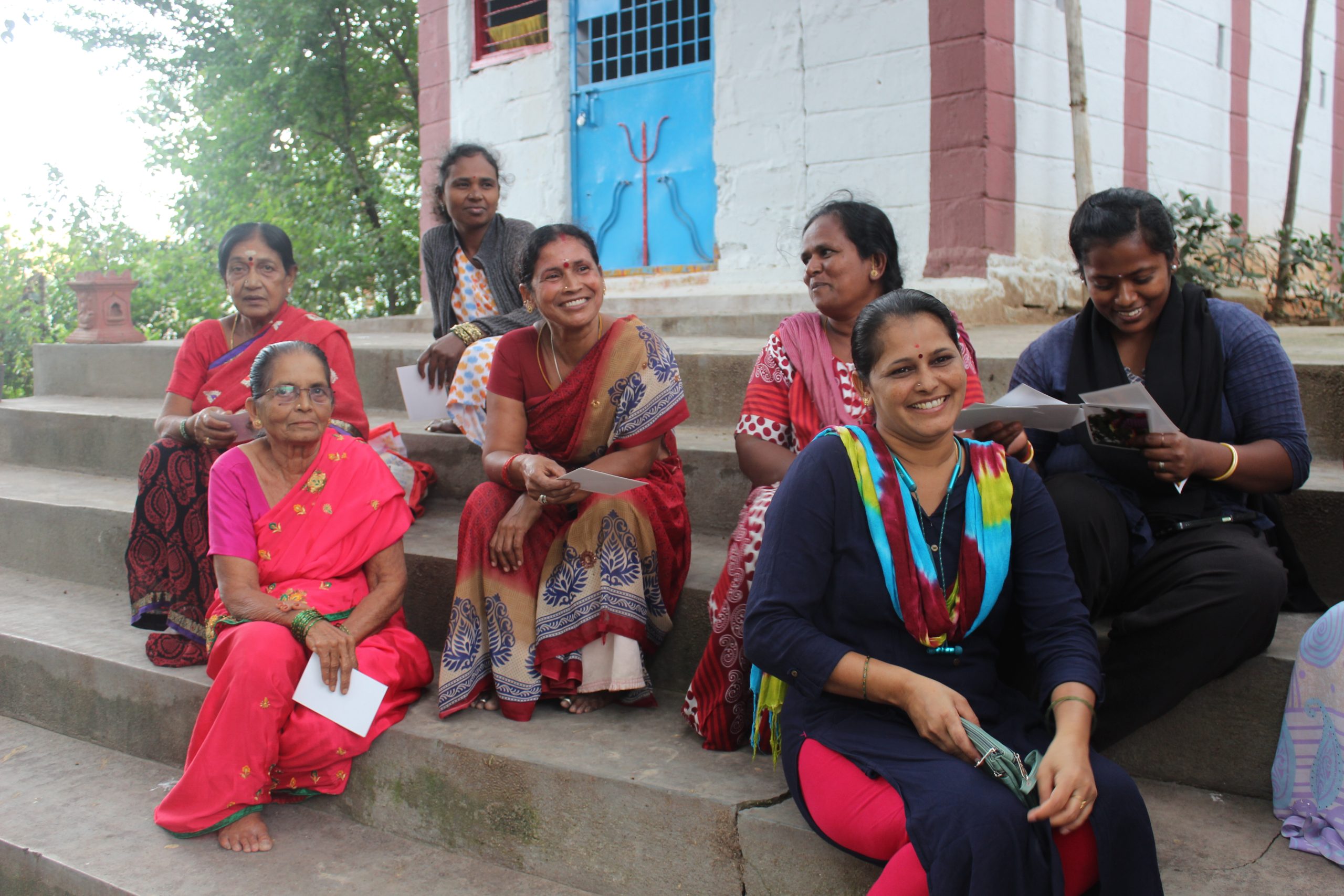
Domestic Workers
Key challenges
Urban flooding, health, loss of income
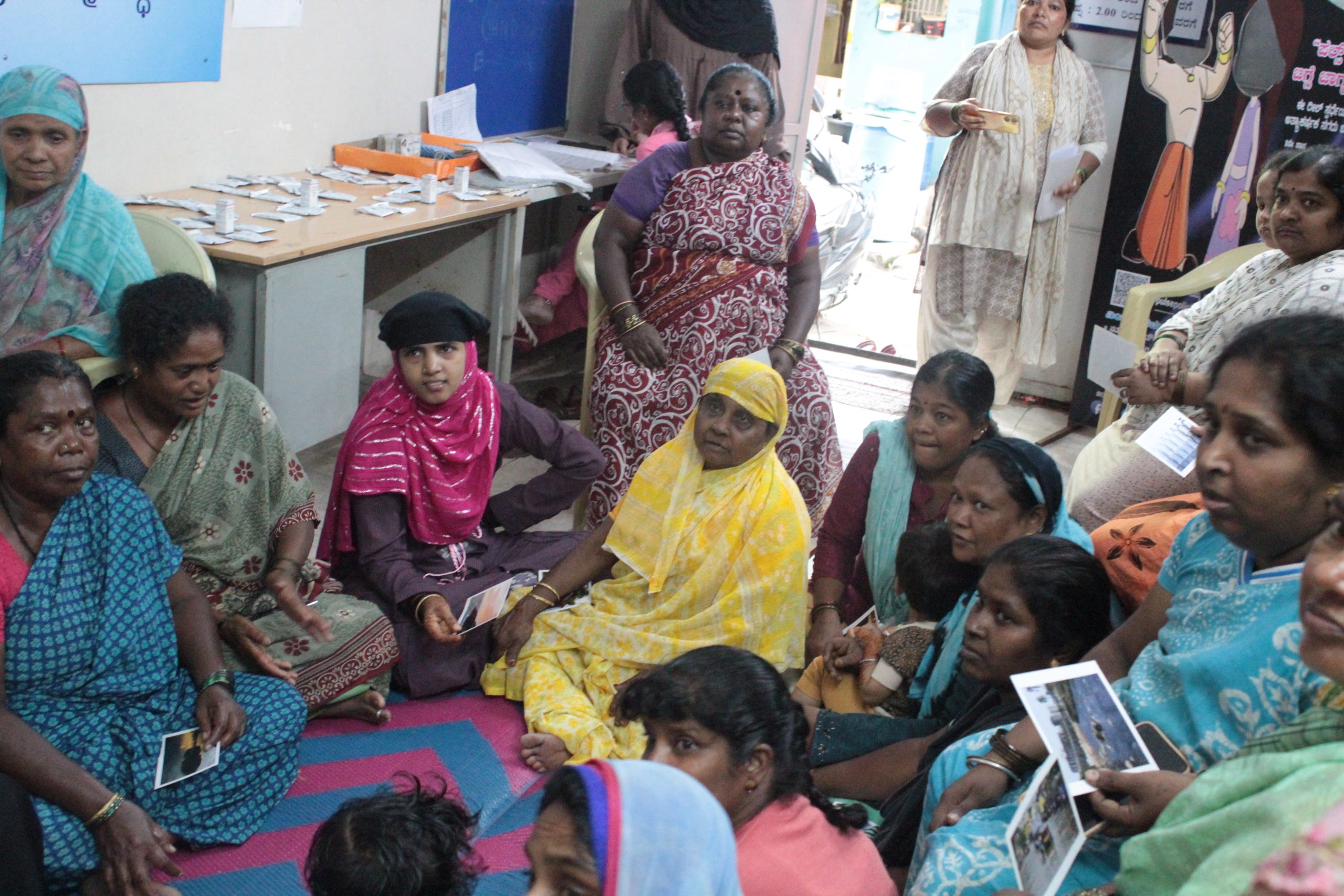
Street Vendors
Key challenges
Urban flooding, erratic water supply and quality, absence of a dedicated vending space.
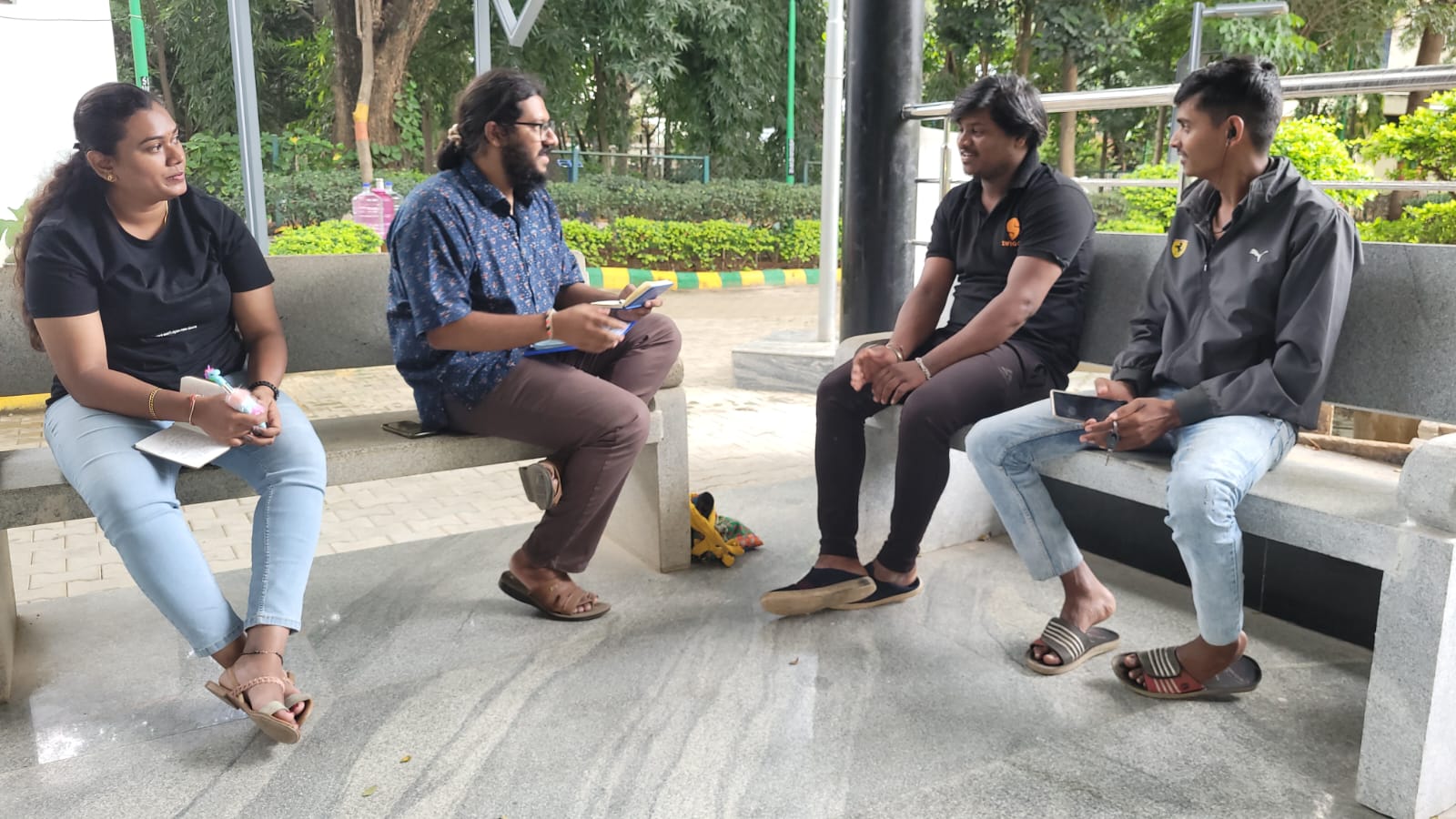
Gig Workers
Key challenges
Extreme weather events, loss of income, unsafe road conditions, health issue.
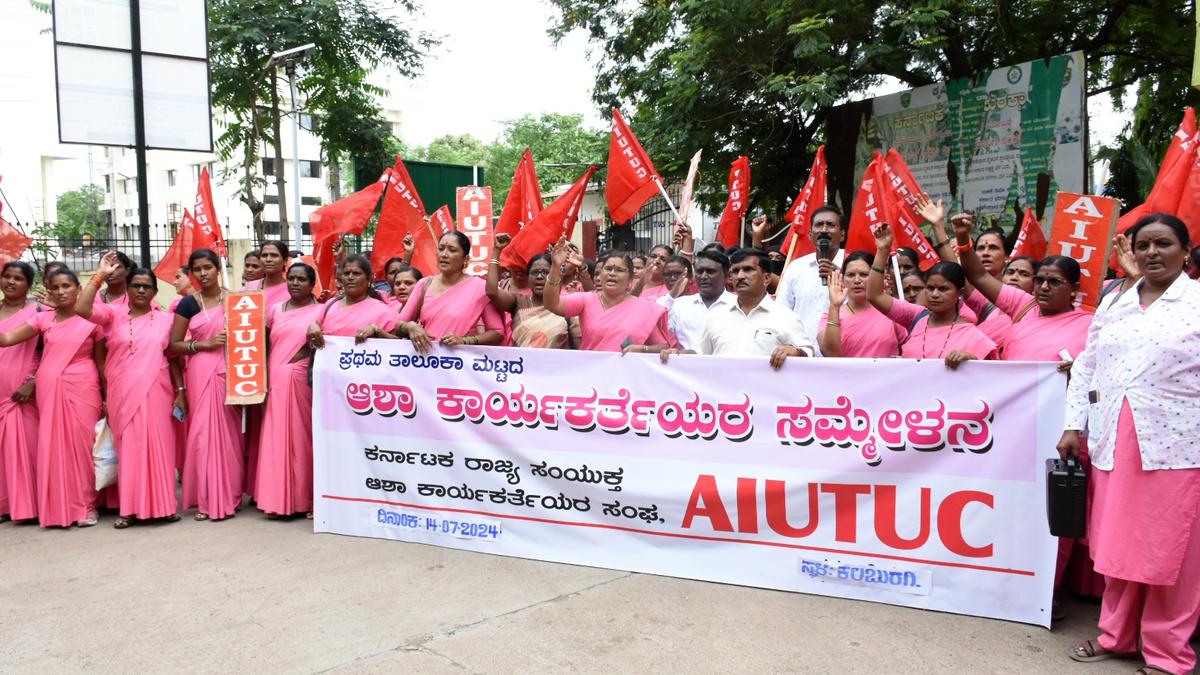
ASHA Workers
Key challenges
Absence of formal training and information around climate change and health impacts.
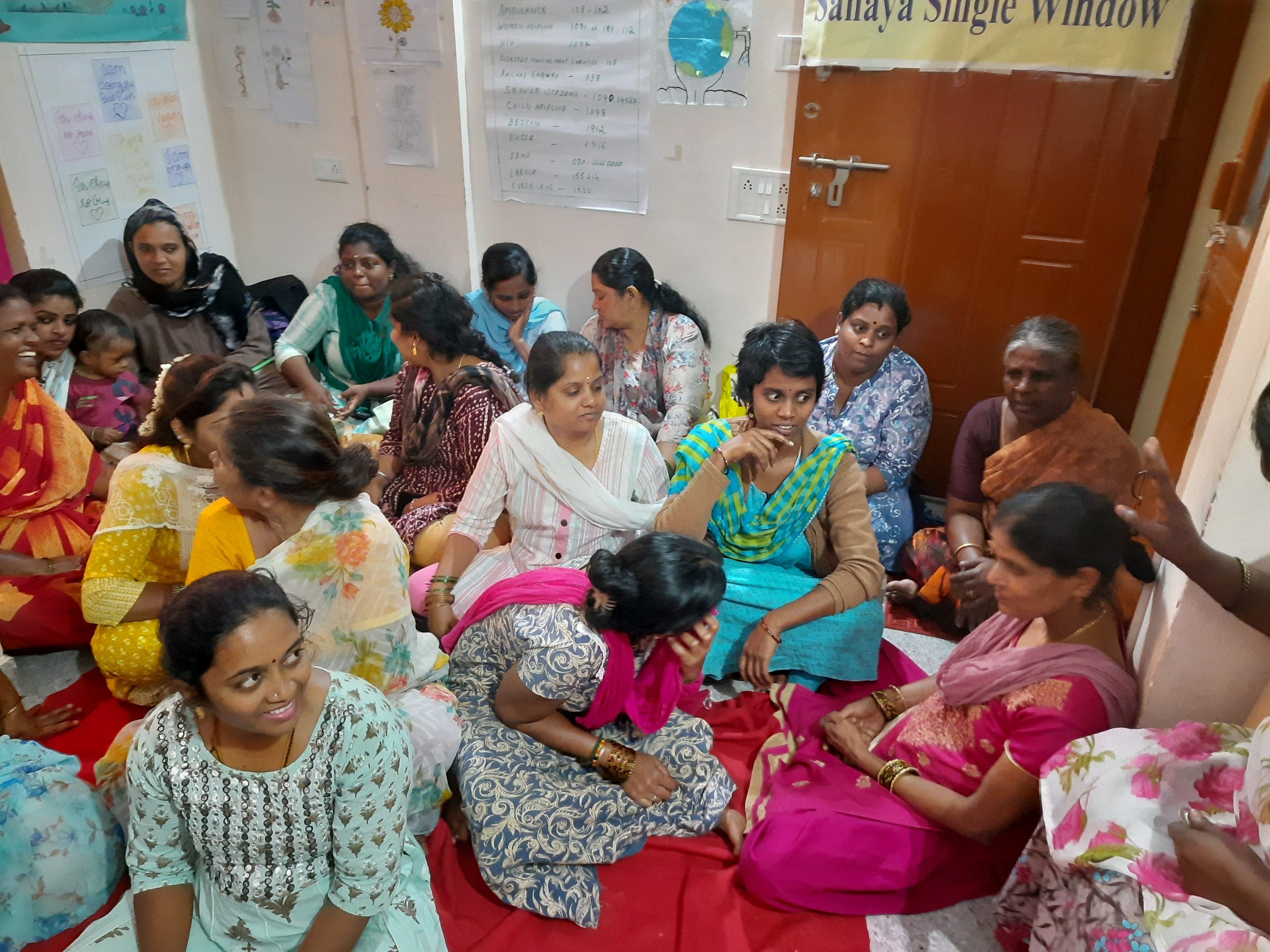
Women in Low-Income Areas
Key challenges
Erratic water supply, health issues due to water stagnation and inadequate waste management system.
Urban Flood-Affected Communities
Key challenges
Loss of homes, livelihoods, erratic water supply, poor waste collection.
Programme Reports
Climate Charche FGD Report – Grounding Resilience in Communities and Water
Climate Charche FGD Roundtable (English) – 24 April 2025
Climate Charche FGD Roundtable (Kannada) – 24 April 2025

Collaborators
Socratus Collective Wisdom Corporation co-designed and facilitated the Climate Charche FGD series. Socratus brought to the collaboration its unique approach of midwifing collective wisdom and engaging with different stakeholders on-the-ground.
Other partner organisations supported the coordination of and organisation of the Focus Group Discussions with different vulnerable groups in the city – Jan Sahas, CFAR, Stree Jagruti Samiti, SAMA Foundation, and other organisations and collectives.