SGP Project Template V2
...

Small Grants Programme
The Small Grants Programme is an initiative to enable local, innovative, cross-disciplinary, collaborative projects to get started and grow sustainably. It evolved organically from conversations at the Retreats hosted by BSF on Urban Water, Urban Biodiversity and Urban Climate Change in 2018-2019 and was initially established to provide seed funding for projects and ideas conceived at the BSF Retreats, with a deliberate focus on collaboration and Bengaluru and the specific theme of the Retreats.
Very soon, the value of the Small Grants Programme (SGP) in offering support for micro-focussed and distributed problem solving within the city was clearly evident and in December 2019, the Programme expanded with an open call to applicants across the city of Bengaluru. Since then, the SGP has supported over 45 projects that span a diverse set of interesting ideas and innovative formats; achieving an impressive breadth and depth of interventions for our city.
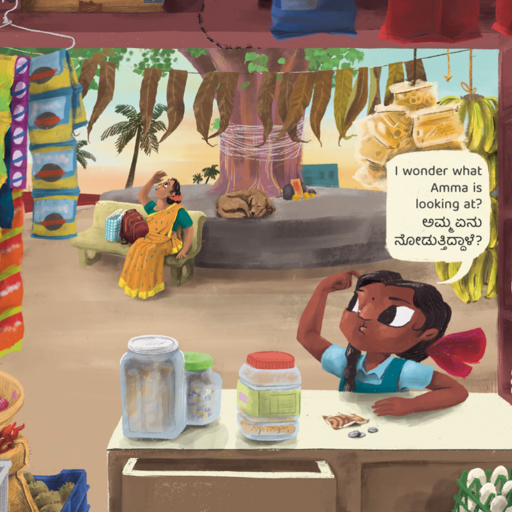
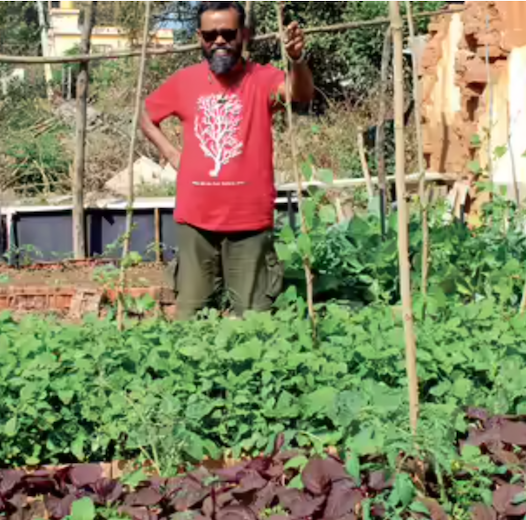
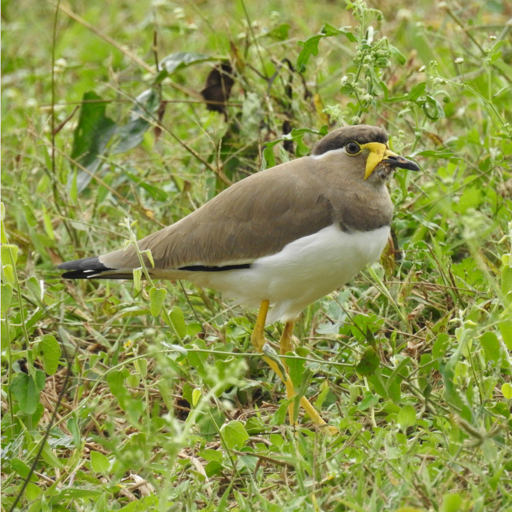
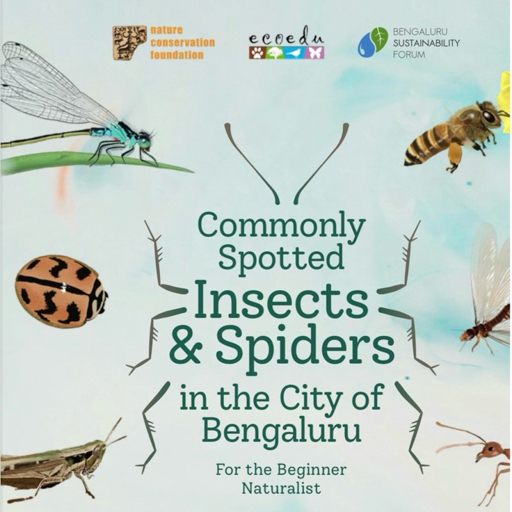
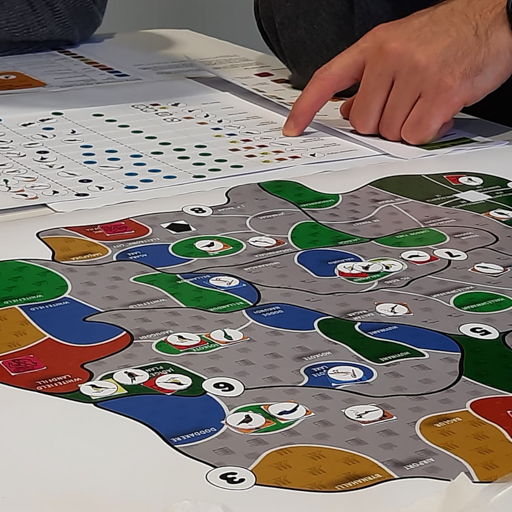
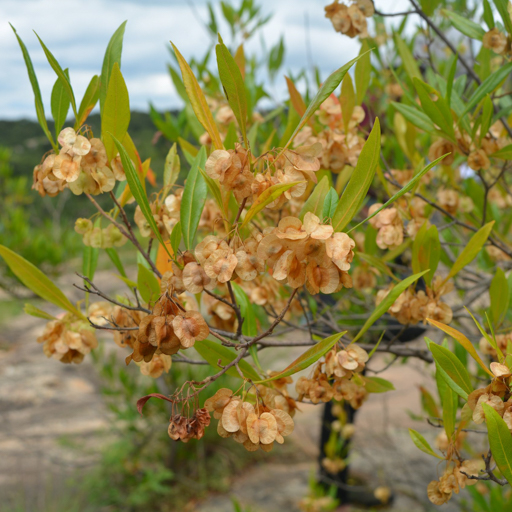
Some examples of the projects supported so far include a guide for local avenue trees in Kannada, a community driven plan to bring edible weeds back onto the meal plan, an art project at metro transit station on Bengaluru’s water heritage, a project to assess human-elephant conflict in peri-urban Bengaluru, a board game looking at the relationship between urbanisation and bird diversity in the city, easily deployable water treatment system for storm water drains, several publications to connect children and adults to the biodiversity and environment around them as well as tools to foster citizen engagement at the ward level.
We invite you to scroll down and take a look at the various projects supported.
mapping the SGP projects
Use the map to navigate our Small Grants Projects projects. Zoom in and click on a pin to learn more about each one.
the SGP framework
Since its inception, the Small Grants Programme has been committed to help connect science and research done in the city of Bengaluru with the actual situation on the ground, involving as many stakeholders and sections of society as possible. The SGP welcomes projects that approach a problem with an understanding of interconnectedness of city systems and are rooted in the local community. Diversity in methodology that includes, but is not limited to, qualitative and quantitative data collection, action research, design based research, documentation, outreach and communication, participatory methods, training, workshops, citizen science and citizen engagement is valuable.
With a core belief in the value of cross pollination of ideas, the framework for the SGP has been designed for collaboration, by making it a necessary condition for eligibility of the project. Some of the key aspects taken into consideration while evaluating a project for BSF’s Small Grants Programme include:
Not all of these parameters may be applicable for every project. Proposals are evaluated based on a combination of these, as relevant to each project. The process is guided by BSF’s Steering Committee to ensure transparency and a participatory approach.
Over the years, the Small Grants Programme has grown to include a significant proportion of committed individuals and organisations working towards Bengaluru’s sustainability. BSF hopes to continue to support more and more agents of change in a collective effort to make Bengaluru sustainable for all life. The next step will be to see what learnings can be crystallized through this wealth of knowledge and experience.
supported projects

COMPLETED...
COMPLETED...

COMPLETED...
COMPLETED...

COMPLETED...



ONGOING...
COMPLETED...
COMPLETED...
frequently asked questions
The grant is open to individuals, organisations, and institutions from all backgrounds. To be eligible, the proposed project must involve at least two collaborators, with at least one being a registered organisation.
Yes. There are currently no restrictions on previous recipients applying again.
The SGP supports a wide range of activities, including:
The programme does not support:
The 2025 call for proposals invites projects focused on building resilience in the urban context. We encourage ideas that address:
Note: Applications for the 2025 cycle are now closed.
For 2025, only projects focused on Bengaluru and its peri-urban areas will be considered.
Yes — and we encourage it. Interdisciplinary partnerships are preferred, especially those that bring together diverse experiences and skill sets.
Every project must involve at least two collaborators, including one registered organisation.
There is no fixed format for project outputs. Past projects have produced:
The focus is on innovative approaches that explore or address existing challenges in new ways.
Each selected project can receive up to ₹5 lakh. The project duration should not exceed 12 months.
No. For the 2025 cycle, only projects with a clear focus on Bengaluru and its peri-urban areas will be considered.
To hear about upcoming calls:
Subscribe to our mailing list
Follow us on Instagram